
Highlights of Goerlitz Pride
Goerlitz Pride 2026
Goerlitz Pride programme
Hotels around Görlitz
Tap the map for prices and availability.
About Goerlitz Pride
Görlitz and the Polish town of Zgorzelec face each other across the Neisse river – one city, two countries. That is where the Görlitz-Zgorzelec Pride takes place, organised by the eponymous non-profit association and a member of both the German Pride network and the European Pride Organisers Association.
The march sets off from the square in front of Görlitz station and moves through both parts of the twin city, German and Polish, though the exact route is not published in detail. A rally follows on the Obermarkt square, with speeches and an artistic programme. A club party closes out the day.
What sets Görlitz Pride apart from many others is its international line-up: rather than relying only on local DJs, the association repeatedly brings former Eurovision Song Contest participants onto the stage. The event's cross-border motto – linking two cities across a national border – carries through into the music programme as well.
The association is still young, having grown out of a loose organising alliance that consolidated over several years before becoming a registered non-profit. Board members and volunteers come from both Görlitz and Zgorzelec, giving the twin-city idea a structural footing as well.
An information stand runs alongside the afternoon programme, open for questions and conversation away from the march and the stage. That makes Görlitz Pride a fit both for people encountering a pride march for the first time and for long-time regulars from the region.
About Goerlitz
Görlitz, a picturesque border town in Saxony, Germany, hosts vibrant Pride events that celebrate the local LGBTQ+ community's resilience and spirit. Pride parades draw hundreds of participants who march with colorful banners, upbeat music, and dance, often crossing into neighboring Zgorzelec in Poland, highlighting cross-border solidarity unique to this European hotspot.
The queer scene in Görlitz has grown from grassroots efforts by dedicated volunteers who built networks amid challenges. Emerging after periods of isolation, these Pride gatherings serve as unifying celebrations, honoring the historic uprising on Christopher Street in New York and advocating for rights, self-determination, and acceptance. In eastern Germany, where counter-protests from far-right groups occur, events proceed under police protection, showcasing the community's determination.
What sets Görlitz Pride apart for international visitors is the involvement of local leaders, including mayors and state officials, signaling increasing support. Samba drums, pop tunes, and massive rainbow flags create an infectious festive vibe that weather can't dampen. Parades wind through historic streets, culminating in lively after-parties in the old town's squares, fostering a strong sense of belonging. English-speaking travelers appreciate the welcoming atmosphere, blending German efficiency with heartfelt openness.
For those exploring Germany's queer landscape, Görlitz offers an authentic glimpse into small-town Pride with big impact. It's a place where diverse voices amplify, inviting global participants to join a movement transcending borders in pursuit of equality and joy.
Goerlitz Pride – frequently asked questions
Demonstration march through the twin cities of Görlitz and Zgorzelec, starting at the Görlitz station forecourt. The exact route is not published in detail on the official website.
Nearby Prides
Dresden Pride 2026
Prague Pride 2026
Wroclaw Pride 2026 / Wrocławski Marsz Równości 2026
Leipzig Pride 2026
From the magazine
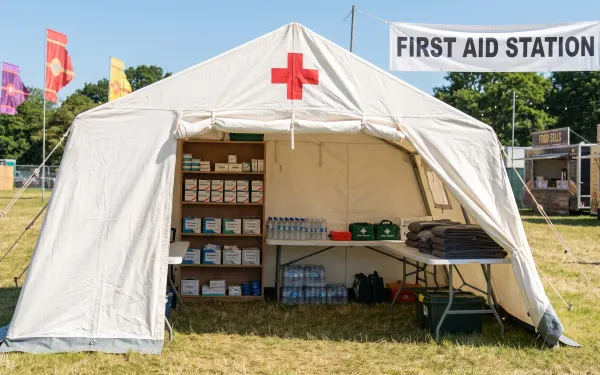
First Aid at Pride: How to Prepare Before You Go
Pride is a long, hot, crowded day. Most incidents stay minor — if organizers provide proper medical cover and attendees know when to ask for help. A practical guide to preparation, heat illness and dense crowds.
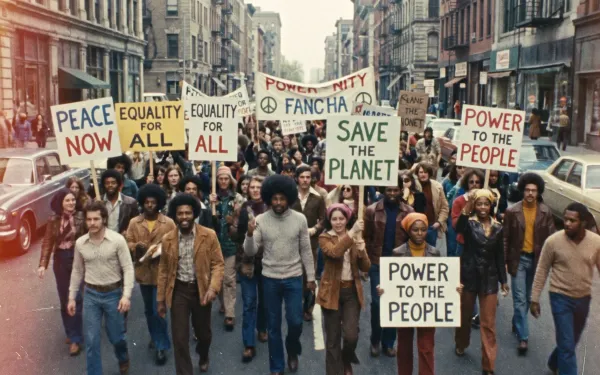
Christopher Street Liberation Day 1970: The March That Started Pride
One year after Stonewall, on June 28, 1970, a few thousand people walked up Sixth Avenue in New York behind a banner reading CHRISTOPHER STREET GAY LIBERATION DAY 1970. Here is how that first march became Pride.
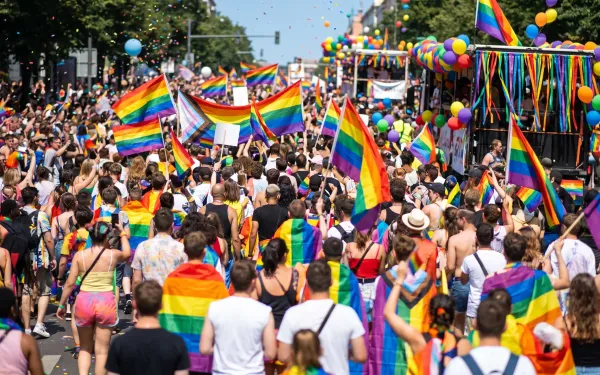
Germany's First Pride (1979): From a Nervous March to a National Tradition
On June 30, 1979, about 450 people marched in Berlin for the first time on the anniversary of Stonewall. A look back at the start of Germany's Pride tradition, the fight against Paragraph 175 and the road to a mass demonstration.