
Halle (Saale) Pride 2026
Hotels around Halle (Saale)
Tap the map for prices and availability.
About Halle (Saale) PrideRecap 2026
Pride in Halle (Saale) is a fixed date on the eastern German Pride calendar and forms the high point of several weeks of Pride programming that bring culture, politics, and networking together in the city. Three organizations stand behind it: a counseling and community center for queer life, the regional AIDS support association, and a youth network that joins in for the surrounding Pride Weeks. All three are active year-round, well beyond the Pride date itself.
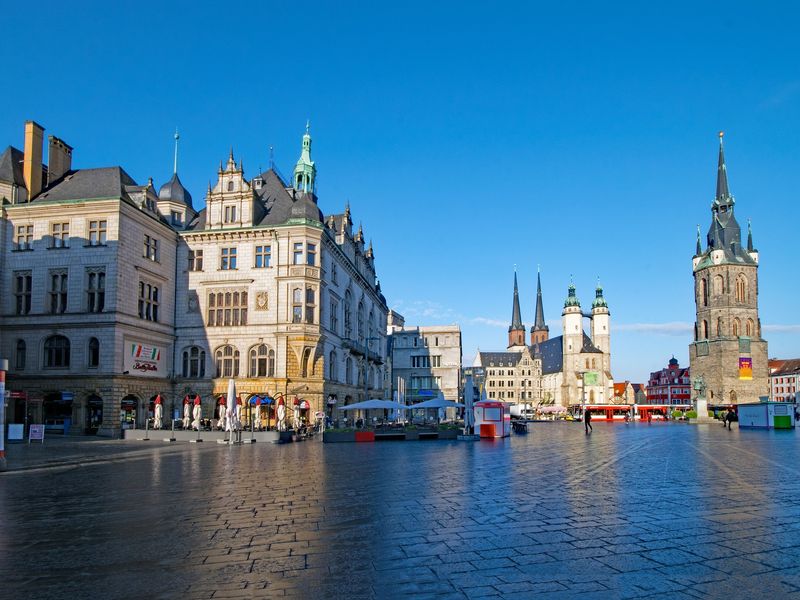
Everything converges on the city's central marketplace. A street festival with a stage program, stalls from local groups, and music opens there, while a demonstration winds through downtown and eventually returns to the same square. Each edition carries its own motto, chosen to reflect a current issue facing the queer community, and that theme recurs on banners, in speeches, and throughout the surrounding program.
The Pride Weeks stretch well beyond the single event day. In the weeks before and after, partner organizations host talks, film screenings, and other gatherings aimed at the whole city, not just an audience already in the know. That reach is what turns a single Saturday into a season that shapes everyday city life for weeks at a time.
For the queer community in Saxony-Anhalt, the date remains one of the few moments each year when it appears loud and visible in the city's public space — and a moment when counseling centers, the youth network, and the wider city visibly stand together.
About Halle (Saale)
Halle (Saale), Germany, hosts vibrant Pride events that celebrate the LGBTQ+ community's resilience and diversity. The annual Pride parade and street festival on the central market square draw thousands, featuring music performances, informational booths from local organizations, and artistic expressions that highlight queer joy and solidarity.
The local LGBTQ+ history in Halle reflects a journey from grassroots demonstrations through the city center to today's inclusive gatherings. Early marches paved the way for greater visibility, overcoming initial challenges to foster a supportive environment. Pride now culminates a series of Pride Weeks with workshops, discussions, and parties that address queer issues and build community bonds. City officials, including the mayor, often provide patronage, underscoring growing acceptance.
For English-speaking visitors, Halle's Pride stands out in the German context with its blend of festivity and activism against discrimination. Mottos emphasizing community, solidarity, and diversity resonate universally, while demonstrations march assertively through historic streets. Groups like the local counseling center, AIDS support, and youth networks organize events, ensuring accessibility and youth involvement. Despite rare incidents of hostility, the focus remains on empowerment and celebration, with increasing participation from younger generations signaling a thriving scene.
Halle's Pride echoes global roots while embracing East German nuances: from modest starts to colorful spectacles that normalize queer lives. It's an invitation to join rainbow-clad crowds, experience inclusive vibes, and advocate for equality in a welcoming university town rich in history and culture.
Halle (Saale) Pride – frequently asked questions
Nearby Prides
Leipzig Pride 2026
Dresden Pride 2026
Brunswick Pride 2026
Berlin Reinickendorf Pride 2026
From the magazine
Compton's Cafeteria 1966: The Uprising That Began Three Years Before Stonewall
In August 1966, trans women and drag queens in a San Francisco cafeteria fought back against police harassment. What is documented, what is not, and why the story came back so late.
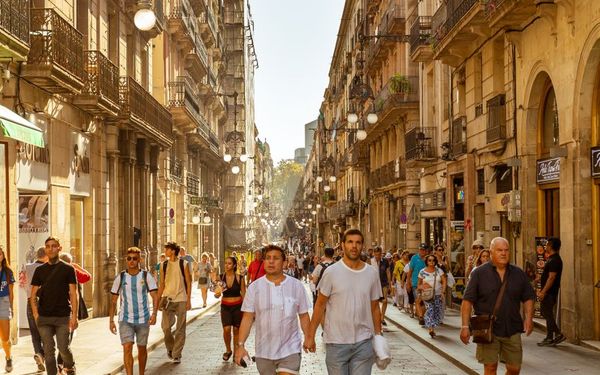
Barcelona 1977: Spain's First Pride March on La Rambla
On 26 June 1977, several thousand people marched without permission up La Rambla in Barcelona and demanded the end of a law that criminalised homosexuality. What happened and what came of it.
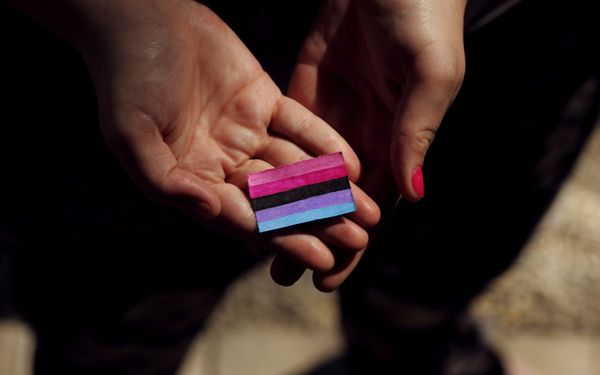
Bi Visibility Day and the Bi Flag: Where They Come From and What They Mean
23 September is Bi Visibility Day. Who started it, what the pink, purple and blue flag stands for, and how you can make bisexual people visible at Pride and in everyday life.