
2027 date
The date has not been confirmed yet. Expected September 2027
You will find the date here as soon as it is confirmed. Already know it? Let us know.
Ingolstadt Pride programme
Hotels around Ingolstadt
Tap the map for prices and availability.
About Ingolstadt Pride
Ingolstadt Pride is organised by Queer Ingolstadt e.V. and has become a regular fixture in Bavaria's Pride calendar. It starts at Theaterplatz in Ingolstadt's old town, opening with a rally before the march forms and moves through the city centre.
After the march, the event returns to Theaterplatz for a stage programme that mixes speeches — including contributions from local council members — with music and entertainment. The day winds down with afterparties at Ingolstadt venues that traditionally bring in drag performances and DJ sets to keep the celebration going into the night.
Queer Ingolstadt e.V. sees itself as more than the organiser of an annual march: it runs as a year-round point of contact for the region's queer community, holding regular meet-ups and networking events and acting as an advocate in local politics. The march itself is the most visible expression of that work, a day when queer life in a mid-sized city like Ingolstadt — one that rarely gets much attention in Bavarian Pride coverage — becomes impossible to overlook.
The event runs on volunteer effort and local support, and it's aimed not just at people from Ingolstadt itself but at participants from the surrounding area, for whom a local Pride is the nearest alternative to the bigger parades in Munich or Nuremberg.
About Ingolstadt
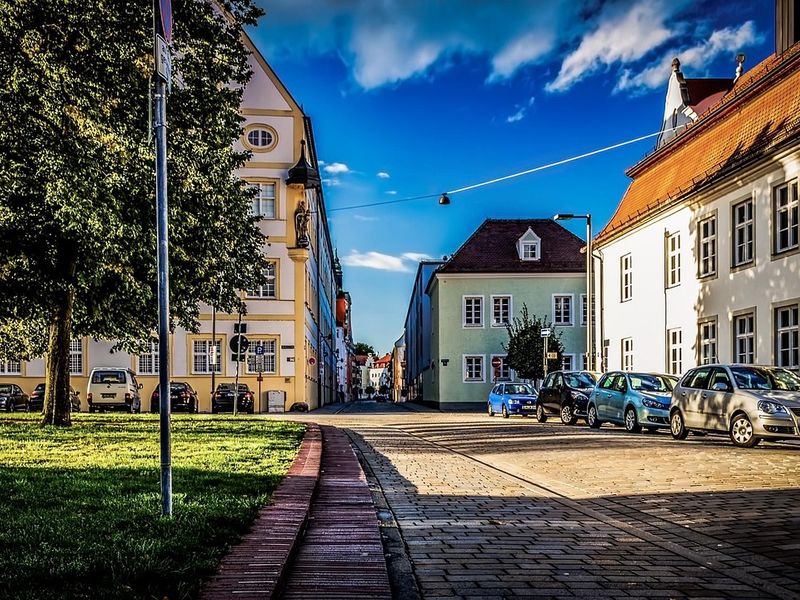
Ingolstadt's Pride movement thrives as a vibrant expression of the local LGBTQ+ community, drawing hundreds to its colorful parades through the city's historic heart. Organized by Queer Ingolstadt e.V., these events kick off at key spots like the Paradeplatz or Theaterplatz, winding past landmarks such as the Münster, Rathausplatz, and along the Schloßlände. Rainbow flags mingle with those representing pansexuality, transgender identities, nonbinary, and genderfluid experiences, all accompanied by music, banners, and infectious joy that lights up the streets.
The local queer history reflects dedicated grassroots efforts to foster visibility in this Bavarian city. Queer Ingolstadt e.V. leads the charge, creating spaces for connection and advocacy. Speeches from city councilors across parties highlight the political urgency: standing against discrimination, exclusion, and hate. The city amplifies this by raising rainbow flags at places like the Old Town Hall, signaling broad support for diversity and respect.
For English-speaking visitors, Ingolstadt's Pride stands out in Germany's progressive landscape, where legal advances like marriage equality coexist with ongoing struggles against rising anti-LGBTQ+ incidents. Rooted in global milestones like the Stonewall riots, these gatherings blend celebration with activism. They wrap up with stage shows, live performances, and after-parties at venues like KAP94, featuring drag artists and DJs that keep the energy high into the night.
Everyone is welcome to join, regardless of identity, making it a communal call for openness. Onlookers cheer and snap photos, reflecting growing acceptance, yet the events remind us vigilance is key to true inclusion. Ingolstadt proves that pride colors suit this welcoming destination perfectly.
Ingolstadt Pride – frequently asked questions

Nearby Prides

Augsburg Pride 2026

Munich Pride 2026
Nuremberg Pride 2026
Stuttgart Pride 2026
From the magazine
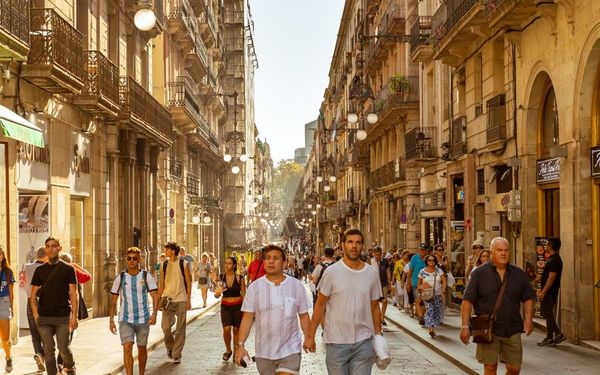
Barcelona 1977: Spain's First Pride March on La Rambla
On 26 June 1977, several thousand people marched without permission up La Rambla in Barcelona and demanded the end of a law that criminalised homosexuality. What happened and what came of it.
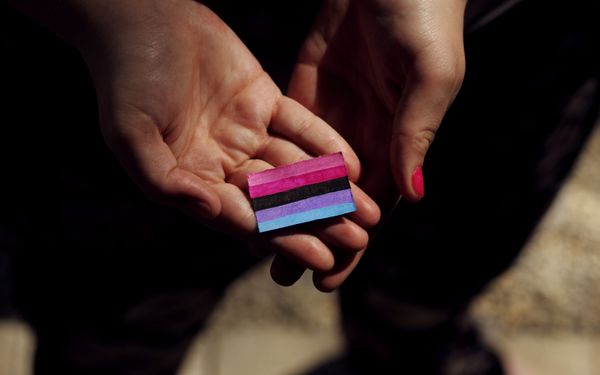
Bi Visibility Day and the Bi Flag: Where They Come From and What They Mean
23 September is Bi Visibility Day. Who started it, what the pink, purple and blue flag stands for, and how you can make bisexual people visible at Pride and in everyday life.
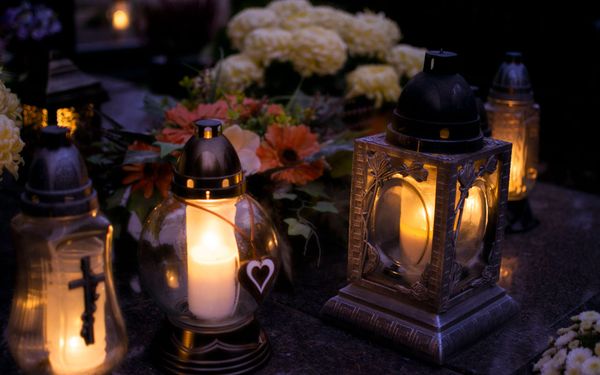
Transgender Day of Remembrance: Where It Comes From and How to Take Part
Every year around 20 November, vigils remember trans people who were killed. The origin of the day, the latest Trans Murder Monitoring figures and practical ways to take part (as of October 2026).