

2027 date
The date has not been confirmed yet. Expected August 2027
You will find the date here as soon as it is confirmed. Already know it? Let us know.
Hotels around Ludwigsfelde
Tap the map for prices and availability.
About Ludwigsfelde Pride
Ludwigsfelde lies south of Berlin in Teltow-Fläming county and is one of the newer places to get its own Pride. The event is carried by the initiative Ludwigsfelde goes queer, working together with the local counselling centre LuKISS e.V.
That places Ludwigsfelde among a number of smaller towns around Berlin where queer visibility has only gained its own local events in recent years – unlike in Berlin itself, where Pride has decades of tradition.
Speeches at past editions came, among others, from state-level politicians of democratic parties in Brandenburg, who showed up in person in solidarity with a local initiative. That underlines the event's character as a political signal for a region that has no large queer infrastructure of its own.
The initiative runs no dedicated website or Facebook page; communication happens through its own Instagram channel. That, too, is typical for many newly founded Pride initiatives outside the big cities: lean structures, volunteer commitment and communication through social media rather than dedicated infrastructure.
After the first edition, several local and regional media outlets reported on the event – a sign that a Pride in a town this size on Berlin's outskirts draws attention well beyond the queer community itself. How the initiative develops in the long run depends, as with many small Prides, heavily on the commitment of a few individuals.
About Ludwigsfelde
Ludwigsfelde, a vibrant town in Brandenburg's Teltow-Fläming district, Germany, hosts a growing LGBTQ+ community that thrives through Pride events. These gatherings, starting from the local train station and marching through the streets, celebrate diversity, love, and equality. Participants don colorful outfits, wave flags, and join music-filled festivals, creating an atmosphere of joy and solidarity that draws people from nearby areas including Berlin.
The local LGBTQ+ history reflects resilience in a rural setting. Pioneering groups have built visibility from the ground up, organizing Pride demonstrations that emphasize community strength. Initiatives foster safe spaces for support, advice, and social connection, countering any regional challenges with positivity and determination. Brandenburg's Pride scene highlights how small towns contribute to Germany's broader movement for acceptance.
For English-speaking visitors, Ludwigsfelde offers an authentic glimpse into German Pride culture. Easily reachable by regional train from Berlin's Südkreuz in just minutes, it provides a welcoming alternative to big-city events. The parades underscore Germany's progressive stance, including laws advancing self-determination for trans, inter, and non-binary individuals. Pride here blends protest roots—recalling global fights against injustice—with festive elements like performances and stalls promoting inclusivity.
Beyond parades, the community sustains ongoing activities: workshops, cultural meetups, and advocacy that address everyday discrimination while championing all forms of love. This grassroots energy makes Ludwigsfelde a hidden gem for those seeking genuine queer experiences in a relaxed, small-town vibe. It's a reminder that Pride flourishes everywhere, enriching lives through visibility and unity.
Ludwigsfelde Pride – frequently asked questions


Nearby Prides
Berlin Pride 2026
Leipzig Pride 2026
Dresden Pride 2026

Hanover Pride 2026
From the magazine
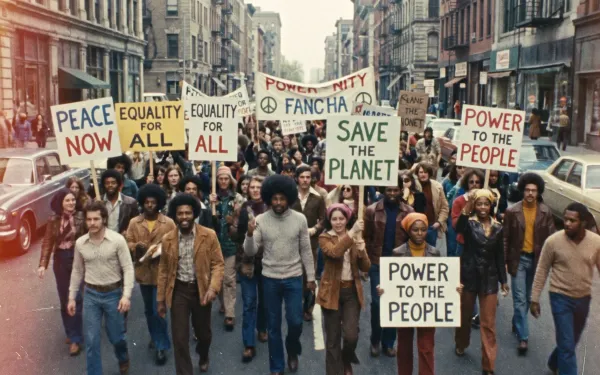
Christopher Street Liberation Day 1970: The March That Started Pride
One year after Stonewall, on June 28, 1970, a few thousand people walked up Sixth Avenue in New York behind a banner reading CHRISTOPHER STREET GAY LIBERATION DAY 1970. Here is how that first march became Pride.
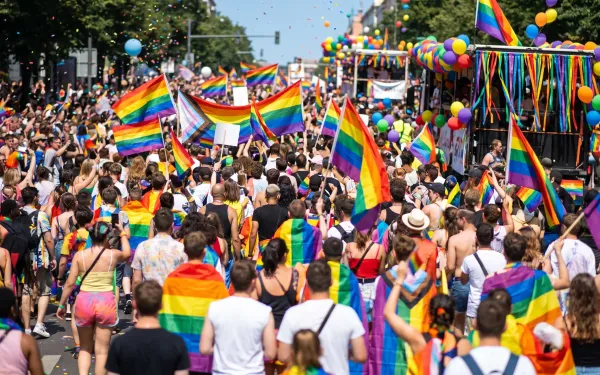
Germany's First Pride (1979): From a Nervous March to a National Tradition
On June 30, 1979, about 450 people marched in Berlin for the first time on the anniversary of Stonewall. A look back at the start of Germany's Pride tradition, the fight against Paragraph 175 and the road to a mass demonstration.
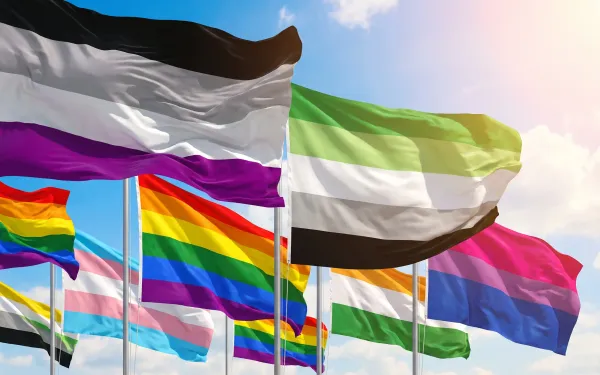
Asexual and Aromantic: What the A in LGBTQIA+ Actually Means
The A in LGBTQIA+ stands for asexual, aromantic and agender, not ally. What these orientations mean, where they differ, and why their visibility at Pride matters.