

2027 date
The date has not been confirmed yet. Expected September 2027
You will find the date here as soon as it is confirmed. Already know it? Let us know.
Ratingen Pride 2026
Ratingen Pride programme
Hotels around Ratingen
Tap the map for prices and availability.
About Ratingen Pride
Ratingen's Pride is embedded in a full Queer Week: before the actual march, the city hosts a church service, an exhibition opening, talks, a film evening, a workshop and a bingo night. The programme is organised by the Ratingen Pride Initiative, an informal group without official association status.
The week opens with a queer church service and coffee gathering at the Protestant town church. Next comes an exhibition opening about clichés at the Forum Lotsenpunkt venue, a talk on rainbow families at the adult education centre followed by a film screening at the local cinema, and a voguing workshop at the youth centre. Through the week there are also mocktail evenings for young people, a talk on being queer in old age, and a book reading. The evening before the march is marked by a flamingo bingo night with drag guests.
On the day of the march itself, a drag artist gives a talk before the demonstration sets off in the afternoon from the town hall. A rally and a party follow. Ratingen's format goes beyond a single afternoon, making queer life visible across an entire week.
For a city whose first Pride march is still recent, that's a remarkable range: from a church to an adult education centre, a youth centre and a pub, many places across town get involved — a sign that the initiative is finding broad support well beyond the queer community itself.
About Ratingen
The Pride movement in Ratingen, a vibrant city in Germany's Rhineland region, embodies visibility, solidarity, and celebration of diversity. Pride events serve as the pinnacle of local LGBTQ+ activism, bringing together residents and visitors to advocate for rights and acceptance through parades, rallies, and festive gatherings.
The history of the LGBTQ+ community in Ratingen reflects broader trends in German queer culture, shaped by the city's industrial heritage and proximity to major hubs like Düsseldorf and Cologne. A dedicated group of activists has built a supportive network through ongoing meetups, cultural workshops, and awareness campaigns. These efforts emphasize inclusivity, welcoming people from all walks of life within the queer spectrum.
For English-speaking audiences, Ratingen's Pride stands out for its community-driven spirit, blending heartfelt political speeches with lively entertainment like music performances and street parties. Events typically unfold in the charming city center, transforming historic squares into colorful spectacles of rainbow flags and joyful expression. Collaborations with nearby cities enhance the experience, offering a gateway to the expansive Rhineland Pride scene.
German Pride traditions, rooted in the global legacy of the original Christopher Street Day, prioritize activism alongside festivity. Local initiatives focus on education, addressing topics such as coming out, transgender rights, and everyday challenges faced by queer individuals. Ratingen's scene integrates queer elements into art, sports, and community programs, fostering a sense of normalcy and belonging.
This growing movement attracts international visitors seeking authentic, grassroots Pride experiences. It highlights resilience and unity, creating an welcoming environment where queer lives are not just tolerated but celebrated. Ratingen proves that even smaller cities can host powerful Pride events, making it a hidden gem for those exploring Germany's queer landscape.
Ratingen Pride – frequently asked questions


Nearby Prides
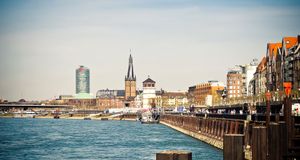
Dusseldorf Pride 2026

Duisburg Pride 2026
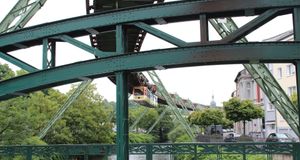
Wuppertal Pride 2026

Essen Pride 2026
From the magazine
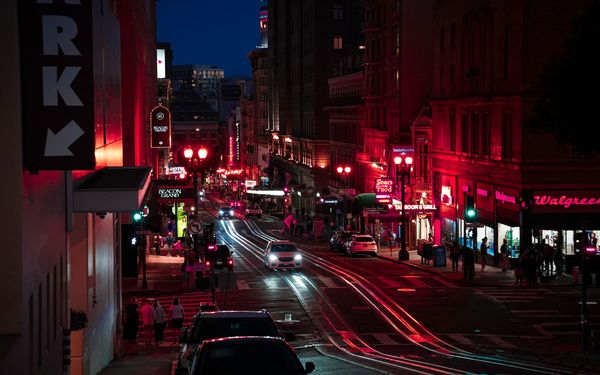
Compton's Cafeteria 1966: The Uprising That Began Three Years Before Stonewall
In August 1966, trans women and drag queens in a San Francisco cafeteria fought back against police harassment. What is documented, what is not, and why the story came back so late.
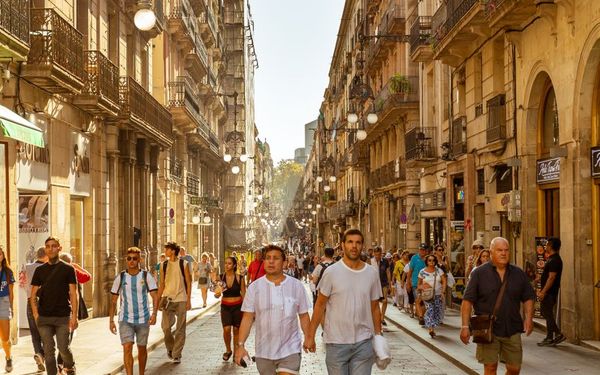
Barcelona 1977: Spain's First Pride March on La Rambla
On 26 June 1977, several thousand people marched without permission up La Rambla in Barcelona and demanded the end of a law that criminalised homosexuality. What happened and what came of it.
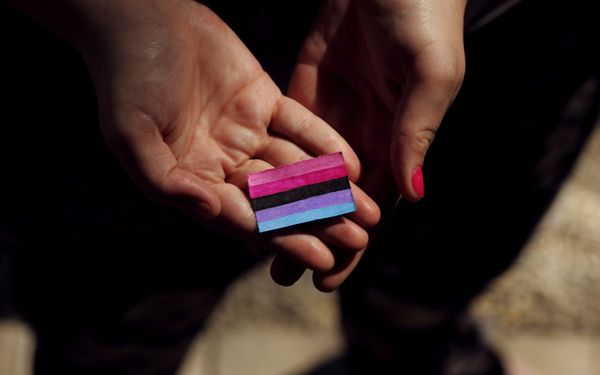
Bi Visibility Day and the Bi Flag: Where They Come From and What They Mean
23 September is Bi Visibility Day. Who started it, what the pink, purple and blue flag stands for, and how you can make bisexual people visible at Pride and in everyday life.