
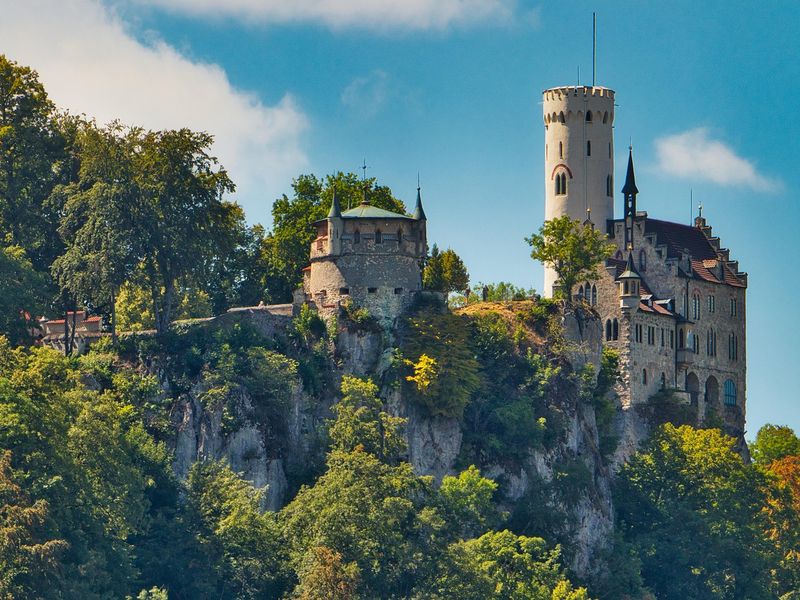
2027 date
The date has not been confirmed yet. Expected June 2027
You will find the date here as soon as it is confirmed. Already know it? Let us know.
Hotels around Reutlingen
Tap the map for prices and availability.
About Reutlingen
Reutlingen has a significant place in Germany's LGBTQ+ history and contemporary Pride movement. The city was home to "Kameradschaft die runde," one of the earliest homosexual groups in the Federal Republic, which emerged from private gatherings and became an important support network in southern Germany during a time when homosexuality faced legal persecution and social stigma.
Today, Reutlingen celebrates Pride with vibrant parades and demonstrations that bring together lesbian, gay, bisexual, transgender, and intersex people. The Pride events in the city are organized under inclusive mottos and serve multiple purposes: celebrating diversity, raising awareness about discrimination, and advocating for concrete political changes such as improved counseling services and community support structures. The parades and rallies take place in central locations throughout the city and attract participants who are passionate about creating a more inclusive society.
What makes Reutlingen's Pride movement notable is how it demonstrates that mid-sized cities can be important centers for LGBTQ+ visibility and activism. The events are well-organized, peaceful, and increasingly supported by the broader community. Organizers emphasize solidarity and the importance of standing together against discrimination and marginalization. Despite occasional online hostility, the Pride celebrations in Reutlingen continue to grow and strengthen, reflecting the city's commitment to LGBTQ+ rights and acceptance.
Reutlingen Pride – frequently asked questions
Nearby Prides
Stuttgart Pride 2026
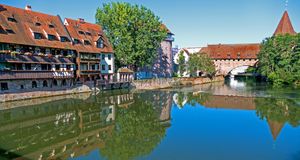
Nuremberg Pride 2026

Munich Pride 2026
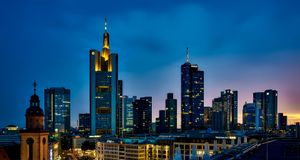
Frankfurt am Main Pride 2026
From the magazine
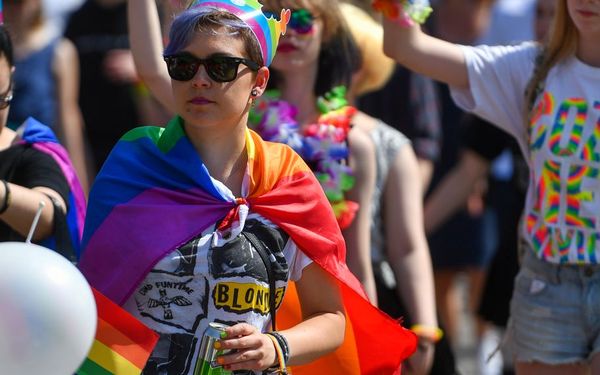
Queer and Seeking Refuge: Why Pride Is a Place of Arrival
For people who fled persecution because of who they are, Pride can be the first place where living openly feels safe. This guide covers the background, the support landscape and what organizers and fellow marchers can do to make the welcome real.
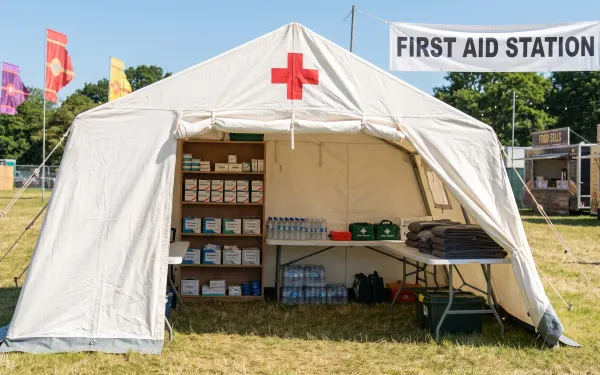
First Aid at Pride: How to Prepare Before You Go
Pride is a long, hot, crowded day. Most incidents stay minor — if organizers provide proper medical cover and attendees know when to ask for help. A practical guide to preparation, heat illness and dense crowds.
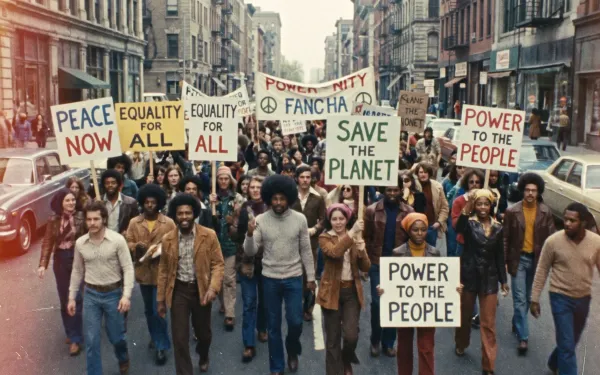
Christopher Street Liberation Day 1970: The March That Started Pride
One year after Stonewall, on June 28, 1970, a few thousand people walked up Sixth Avenue in New York behind a banner reading CHRISTOPHER STREET GAY LIBERATION DAY 1970. Here is how that first march became Pride.