
2027 date
The date has not been confirmed yet. Expected September 2027
You will find the date here as soon as it is confirmed. Already know it? Let us know.
Strausberg Pride 2026
Hotels around Strausberg
Tap the map for prices and availability.
About Strausberg Pride
Strausberg's first Pride march takes place on 26 September. The demonstration starts at 4 pm at Große Straße 2 and follows Große Straße to number 45. Organised by a local alliance, it calls for queer visibility, acceptance and self-determination, as well as a life free from hostility towards LGBTQ+ people. Anyone who wants to support those demands can join the march; no registration is mentioned.
The route is short and straightforward. The organisers expect the demonstration to finish at about 5 pm. Travellers arriving by public transport can take the S-Bahn to Strausberg Stadt and walk for roughly ten minutes. Another option is to continue from Strausberg station on the Strausberg tram to its Lustgarten terminus.
After the march, the programme moves to Horte, a social centre in Strausberg. The after-show party is scheduled from 5.30 pm until approximately 11 pm. This gives participants a place to stay together after the political demonstration without turning the march itself into a festival.
The organising group is also looking for people who would like to help or take part in planning. Contact is available through the Pride's Instagram account, @csd.strausberg. As this is the first edition, practical details may still change. Visitors should check that account shortly before travelling, especially for any updates to timing or access.
Strausberg Pride – frequently asked questions
Große Straße 2 → Große Straße 45
Take the S-Bahn to "Strausberg Stadt" and then walk about 10 minutes. Or take the S-Bahn to "Strausberg Bahnhof" and then take the Strausberg tram to the final stop "Lustgarten".


Nearby Prides

Berlin Pride 2026

Berlin Reinickendorf Pride 2026

Dresden Pride 2026

Leipzig Pride 2026
From the magazine
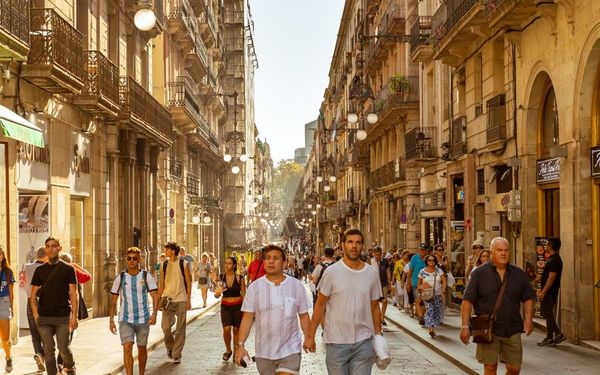
Barcelona 1977: Spain's First Pride March on La Rambla
On 26 June 1977, several thousand people marched without permission up La Rambla in Barcelona and demanded the end of a law that criminalised homosexuality. What happened and what came of it.
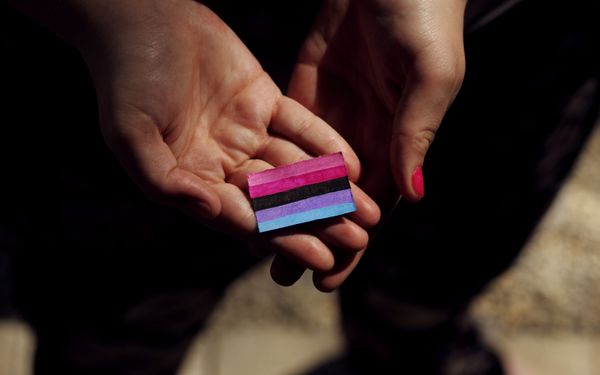
Bi Visibility Day and the Bi Flag: Where They Come From and What They Mean
23 September is Bi Visibility Day. Who started it, what the pink, purple and blue flag stands for, and how you can make bisexual people visible at Pride and in everyday life.
Transgender Day of Remembrance: Where It Comes From and How to Take Part
Every year around 20 November, vigils remember trans people who were killed. The origin of the day, the latest Trans Murder Monitoring figures and practical ways to take part (as of October 2026).