
2027 date
The date has not been confirmed yet. Expected September 2027
You will find the date here as soon as it is confirmed. Already know it? Let us know.
Katowice Pride 2026
Hotels around Katowice
Tap the map for prices and availability.
About Katowice Pride
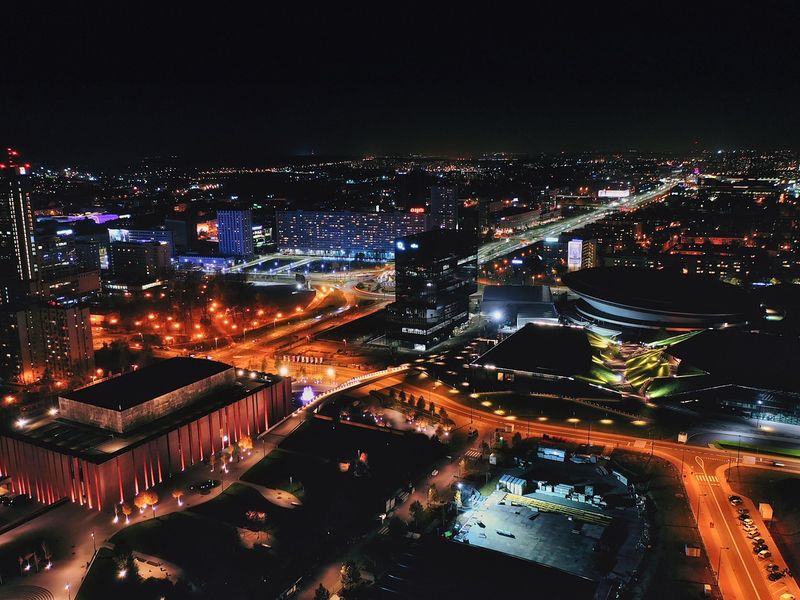
Katowice is the capital of the Silesia region and spent much of its history as a mining and heavy-industry city. That past has been reshaped into something else: old coal mines now house cultural venues, the Silesian Museum sits inside a former pit, and the city carries the UNESCO City of Music title.
The Equality March, organised by the Tęczówka association, winds through the city centre, starting and ending at Powstańców Śląskich Park. Before the march sets off, an Equality Village opens in the park with stalls from local organisations, crafts and information stands. The march then moves through several streets in the centre before returning to the park, usually followed by a concert.
Katowice has a longer queer history than its industrial reputation might suggest. Between the two world wars, Klub Meluzyna was one of the earliest known LGBT meeting places in Poland. Today's march builds on that history in a city widely seen as one of the more open urban centres in an otherwise conservative region.
Over the years, the march has grown from a small gathering into an event with several thousand participants. City officials and representatives from Katowice's partner city, Cologne, have repeatedly taken part publicly, giving the march extra backing from local politics.
About Katowice
Katowice, a dynamic city in southern Poland, hosts vibrant Pride events that serve as powerful platforms for the local LGBTQ+ community to advocate for equality and visibility. The annual Pride march, known as Marsz Równości, brings thousands together in a colorful display of unity, marching through the streets to challenge discrimination and promote acceptance. These gatherings blend celebration with activism, highlighting the community's resilience amid conservative societal pressures and political opposition.
The history of LGBTQ+ life in Katowice reflects a journey of quiet determination and growing boldness. Local groups have fostered safe spaces for connection, support, and cultural expression, countering challenges from traditional institutions. Organizations like Tęczówka provide community hubs for meetings, counseling, and events that embrace the full spectrum of queer identities. Women's groups such as Babie Kato offer dedicated spaces for lesbians, while broader initiatives focus on education and anti-homophobia efforts. Past confrontations with counter-protesters have tested the movement, yet Pride parades continue to grow, signaling positive shifts.
For English-speaking visitors, Katowice's Pride scene offers unique insights into Eastern European queer activism. International solidarity, including support from cities like Cologne, adds a layer of global connection, with participants sharing experiences from established Western Pride traditions. Travelers appreciate the authentic spirit of these events, where personal stories of perseverance inspire. Beyond the marches, accompanying festivals feature music, art, and discussions that educate and unite. Katowice Pride invites everyone to join in fostering a more inclusive Poland, celebrating diversity while pushing for lasting change.
Katowice Pride – frequently asked questions
Start and finish in the Powstancow Slaskich Park: Al. Rozdzienskiego, Rondo in the course of the Aleja Korfantego, Rynek/Sw. Jana, Kochanowskiego, Jagiellonska, Francuska, Warszawska, Szkolna, Moniuszki, Uniwersytecka, back to the park.
Nearby Prides
Krakow Pride 2026
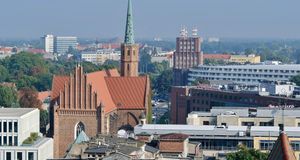
Wroclaw Pride 2026 / Wrocławski Marsz Równości 2026
From the magazine
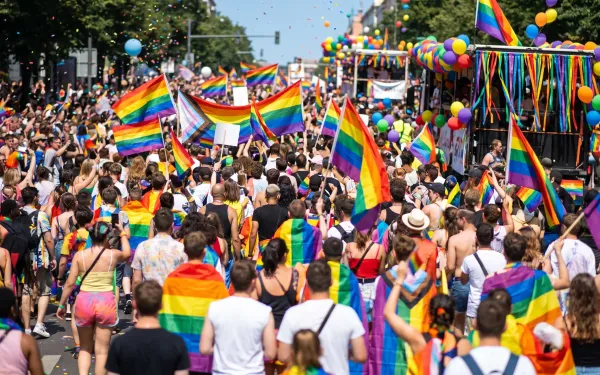
Germany's First Pride (1979): From a Nervous March to a National Tradition
On June 30, 1979, about 450 people marched in Berlin for the first time on the anniversary of Stonewall. A look back at the start of Germany's Pride tradition, the fight against Paragraph 175 and the road to a mass demonstration.
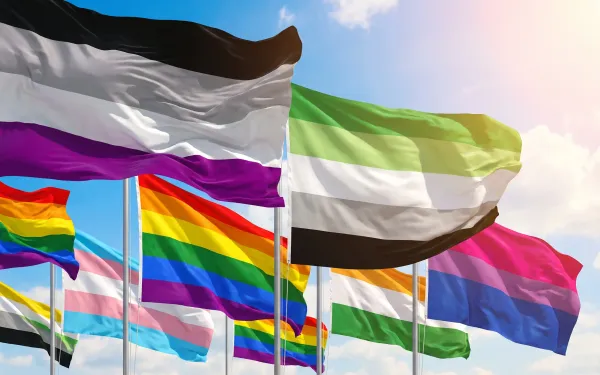
Asexual and Aromantic: What the A in LGBTQIA+ Actually Means
The A in LGBTQIA+ stands for asexual, aromantic and agender, not ally. What these orientations mean, where they differ, and why their visibility at Pride matters.

Pride Anthems: How These Songs Became the Soundtrack of Pride
"I Will Survive," "I'm Coming Out," "Born This Way" turn up at nearly every Pride event. The stories behind how these songs became anthems say a lot about the community that adopted them.