
2027 date
The date has not been confirmed yet. Expected August 2027
You will find the date here as soon as it is confirmed. Already know it? Let us know.
Bruhl Pride 2026
Hotels around Brühl
Tap the map for prices and availability.
About Bruhl Pride
PRIDE Brühl e.V. runs the Brühl Pride. The association grew out of an informal meetup of the local queer community, with around 30 founding members, and has organised the annual march itself ever since.
Details on the meeting point, march route or how to get there by bus or train shift from one year to the next and go up on the association's social media shortly before each date — there's no permanently fixed route yet. What stays constant is the basic shape: a demonstration followed by a short stage programme with information stalls, usually somewhere around the town hall and market square.
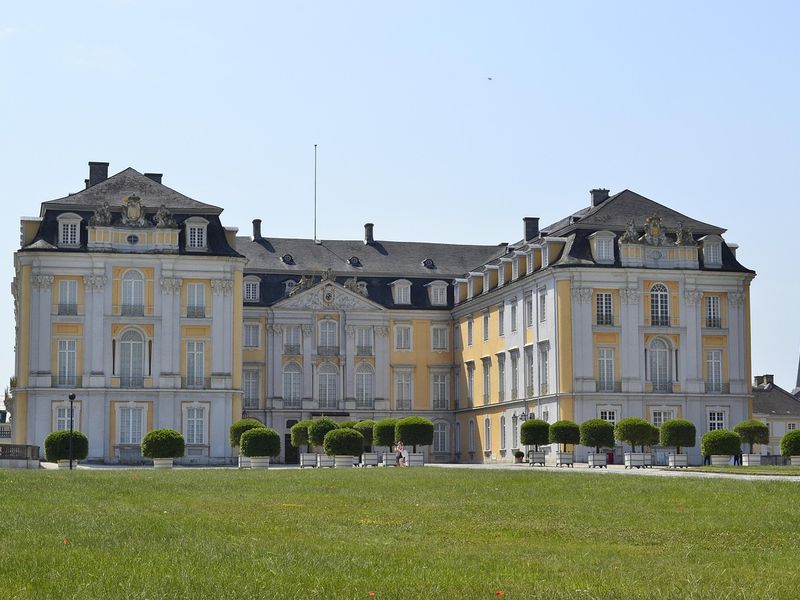
Brühl itself is best known for Augustusburg Palace and the Phantasialand theme park, and for a long time had no Pride of its own — unlike the nearby cities of Cologne and Bonn. PRIDE Brühl e.V. closed that gap, bringing visible queer life into the palace town itself rather than leaving it to the neighbouring cities.
The association picks a fresh motto each year and looks for backing from the town administration and local businesses along the way. For queer people in Brühl and the surrounding Rhein-Erft district, the march gives them a local point of reference instead of a longer trip to a neighbouring city.
About Bruhl
Brühl, a picturesque town in Germany's Rhein-Erft district, has emerged as a vibrant hub for Pride celebrations, showcasing the local LGBTQ+ community's resilience and joy. Pride parades wind through the city streets, starting from Balthasar-Neumann-Platz and culminating at the Rathausplatz, where colorful processions filled with music, dance, and speeches light up the town center. Organized by groups like the Brühl Queer-Treff, these events draw locals and allies together, emphasizing visibility and unity.
The local LGBTQ+ history reflects stories of courage amid a traditionally conservative backdrop. Drag performers from Brühl, such as Ripley Myers, share tales of navigating challenges in Catholic schools, inspiring others to step out boldly. Today, Pride events unite diverse participants—from youth organizations and anti-discrimination groups to carnival societies—creating a tapestry of support. Stages host talents like local bands, duos, and international drag acts, while panel discussions with political candidates highlight queer issues.
For English-speaking visitors, Brühl's Pride stands out in the German context: close to Cologne's massive scene yet distinctly its own as the 'palace town.' Family-friendly activities, info booths, and lively afterparties at spots like Bistro Hollywood offer inclusive fun. These gatherings celebrate love, home, and diversity, blending German efficiency with heartfelt community spirit. They underscore Germany's progressive stance on LGBTQ+ rights while addressing ongoing needs for acceptance in smaller locales.
Brühl invites everyone to join the march, cheer from the sidelines, or perform, fostering a welcoming atmosphere. This Pride movement proves that even in compact towns, bold expressions of identity can spark lasting change and connection.
Bruhl Pride – frequently asked questions
Start Balthasar-Neumann-Platz, through the city centre, finish Rathausplatz / in front of the Old Town Hall.
Nearby Prides
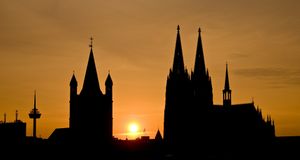
Cologne Pride 2026
Bonn Pride 2026
Dusseldorf Pride 2026

Moenchengladbach Pride 2026
From the magazine
Going to Pride Alone: Plan Your First Visit at Your Own Pace
Going to Pride alone is common, and it can give you room to decide what feels right. A simple plan for arrival, breaks and your journey home helps you stay open to the day.
Volunteering at Pride: What happens behind the scenes
Pride events rely on people at information points, around the venue and behind the scenes. This guide helps you choose a role and arrive with realistic expectations.
Pride is a public assembly, not a favour
Pride is often festive, but it is also a way to gather publicly and demand equality. What that means for organisers and visitors.