
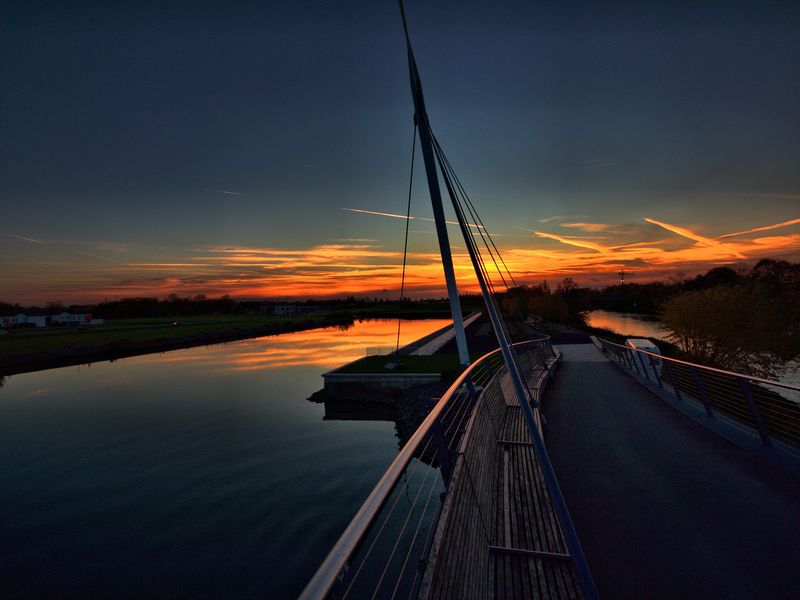
Hotels around Mönchengladbach
Tap the map for prices and availability.
About Mönchengladbach
Mönchengladbach boasts a vibrant Pride scene, centered around its annual Pride parade that fills the streets with color, music, and celebration. This event draws crowds from the local LGBTQ+ community and allies, promoting visibility, equality, and joy in the heart of Germany's Rhineland region.
The local queer history began with informal gatherings in homes and community centers, evolving into organized groups advocating for rights and acceptance. Today, associations like the regional LSVD chapter drive initiatives such as awareness campaigns in schools, anti-discrimination efforts, and cultural programs that unite diverse voices within the community, from young people to elders.
For English-speaking visitors, Mönchengladbach's Pride stands out for its welcoming atmosphere and community focus. The parade typically winds through key areas like the Old Market, featuring floats, performances, and stalls offering information on queer history and health resources. It's a perfect blend of festivity and activism, reflecting Germany's progressive stance on LGBTQ+ issues, including strong legal protections and public support.
Beyond the main event, the city hosts ongoing activities like film screenings, discussion panels, and parties that foster belonging. The proximity to major cities like Düsseldorf and Cologne adds options for larger events, but Mönchengladbach offers an intimate, authentic experience. Here, Pride is about everyday solidarity, with rainbow flags adorning public spaces and inclusive events year-round, making it an appealing spot for travelers seeking genuine connections.
Mönchengladbach Pride – frequently asked questions
Nearby Prides
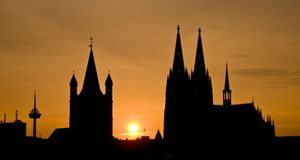
Cologne Pride 2027 / ColognePride 2027
Bonn Pride 2027
Muenster Pride 2027

Utrecht Pride 2027 / Utrecht Canal Pride 2027
From the magazine
Brenda Howard and the Pride Week: Who Turned a Memorial March into a Tradition
After Stonewall, a march marked the anniversary in 1970, and later a whole week. Brenda Howard is named as one of the people behind it. What is documented and where the title Mother of Pride stays disputed.
Compton's Cafeteria 1966: The Uprising That Began Three Years Before Stonewall
In August 1966, trans women and drag queens in a San Francisco cafeteria fought back against police harassment. What is documented, what is not, and why the story came back so late.
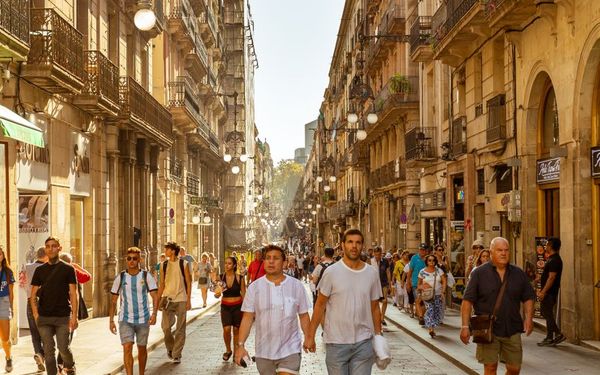
Barcelona 1977: Spain's First Pride March on La Rambla
On 26 June 1977, several thousand people marched without permission up La Rambla in Barcelona and demanded the end of a law that criminalised homosexuality. What happened and what came of it.