
2027 date
The date has not been confirmed yet. Expected May 2027
You will find the date here as soon as it is confirmed. Already know it? Let us know.
Hotels around Gelsenkirchen
Tap the map for prices and availability.
About Gelsenkirchen
Gelsenkirchen's Pride movement thrives as a vibrant cornerstone of its LGBTQ+ community. The annual Pride parade transforms city streets into a dazzling display of rainbow flags, music, and dance, drawing crowds from across the Ruhr region. Starting in the city center, the march weaves through main avenues, with activists championing acceptance, equality, and the fight against discrimination. Live stages feature local performers, drag shows, and speeches highlighting love, diversity, and inclusion.
The local LGBTQ+ history is intertwined with Gelsenkirchen's industrial roots. In the working-class neighborhoods of the Ruhr area, queer individuals found early spaces for connection in hidden bars and private gatherings. Pioneers boldly challenged societal prejudices, establishing support groups and events that built resilience. Today, the scene includes counseling services, sports clubs, and cultural programs that empower members year-round.
For English-speaking visitors, Gelsenkirchen's Pride stands out with its German flair: a blend of labor movement heritage and queer activism creates unique solidarity. Unlike larger metros, it emphasizes family-friendly zones and educational booths, making it welcoming for all ages. The event fosters partnerships with city institutions, leading to progressive policies in schools and public services. This former mining hub exemplifies transformation into a beacon of tolerance.
Parades culminate in epic after-parties in repurposed industrial spaces, where the night pulses with energy. Gelsenkirchen's Pride inspires self-expression and community bonds, offering an authentic slice of Ruhr queer culture.
Gelsenkirchen Pride – frequently asked questions
Nearby Prides

Essen Pride 2026
Dortmund Pride 2026
Dusseldorf Pride 2026
Cologne Pride 2026
From the magazine
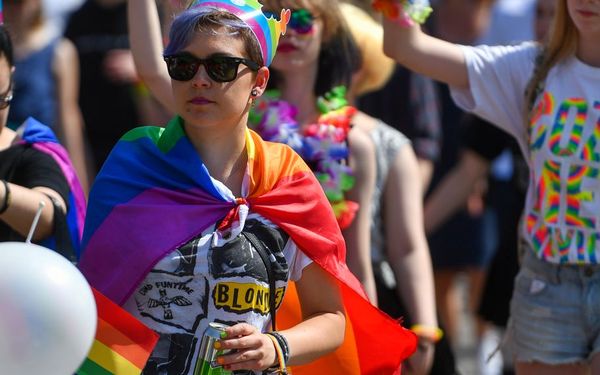
Queer and Seeking Refuge: Why Pride Is a Place of Arrival
For people who fled persecution because of who they are, Pride can be the first place where living openly feels safe. This guide covers the background, the support landscape and what organizers and fellow marchers can do to make the welcome real.
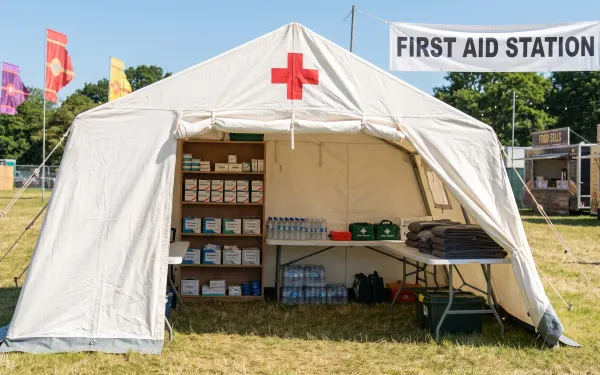
First Aid at Pride: How to Prepare Before You Go
Pride is a long, hot, crowded day. Most incidents stay minor — if organizers provide proper medical cover and attendees know when to ask for help. A practical guide to preparation, heat illness and dense crowds.
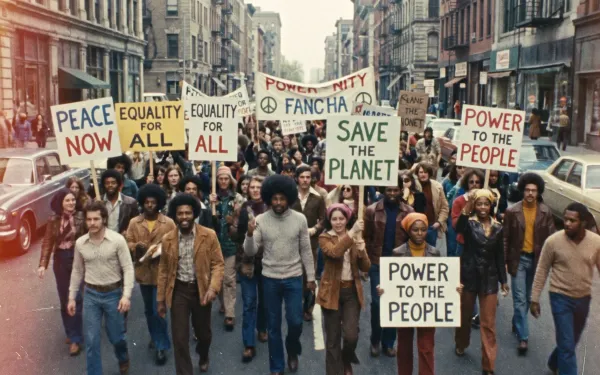
Christopher Street Liberation Day 1970: The March That Started Pride
One year after Stonewall, on June 28, 1970, a few thousand people walked up Sixth Avenue in New York behind a banner reading CHRISTOPHER STREET GAY LIBERATION DAY 1970. Here is how that first march became Pride.