
2027 date
The date has not been confirmed yet. Expected August 2027
You will find the date here as soon as it is confirmed. Already know it? Let us know.
Hotels around Husum
Tap the map for prices and availability.
About Husum Pride
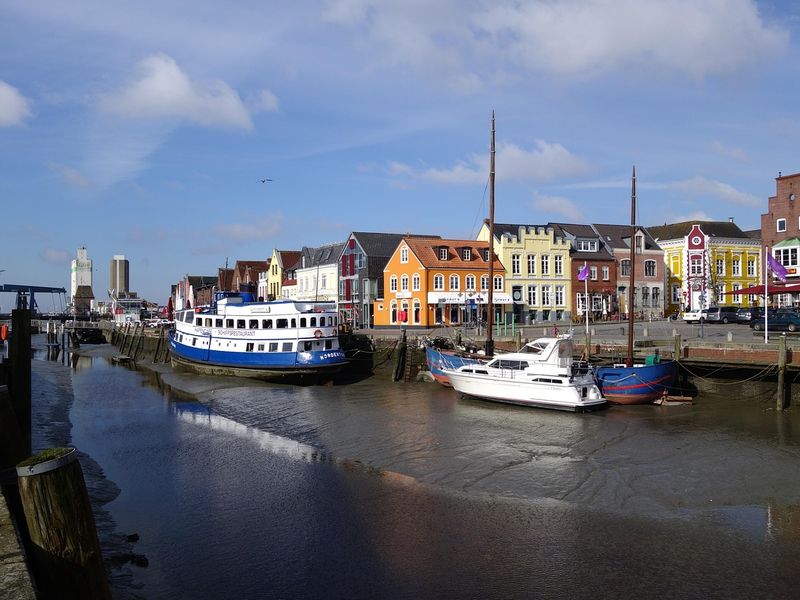
Husum sits on the North Sea coast of Schleswig-Holstein, a harbour town known for its tides and its connection to the writer Theodor Storm. In recent years it has also become a stop on the region's Pride calendar.
The event is carried by queer initiatives from the surrounding area, working in a part of the country that, unlike Kiel or Hamburg, has no established queer infrastructure of its own. A march moves through the town centre, making visible what tends to stay invisible in rural North Frisia.
A supporting programme with information stands, music and speeches usually accompanies the march, though its exact shape changes from year to year and is announced separately by the organisers each time. Church voices from the region have taken part in the past as well, which is not something a rural area like this one can take for granted.
For a town this size, the event's existence is itself notable. Husum has no queer bars or fixed meeting points of its own; what it has is a group of people from across the west coast who come together once a year to make the town's streets briefly, visibly, theirs. For many who attend, it is the one day a year that queer life in their own district becomes public, rather than something that only happens in the nearest big city.
About Husum
Husum, a picturesque coastal town in northern Germany, has embraced Pride as a vibrant celebration of diversity and inclusion. Local Pride events bring together the LGBTQ+ community and allies to march for equality and stand against discrimination. These gatherings blend activism with festivity, reflecting the town's welcoming spirit. Starting with inclusive services in historic churches like the Marienkirche, where faith leaders affirm the worth of all people, Pride in Husum highlights a unique German fusion of spirituality and queer rights advocacy.
The roots of Husum's LGBTQ+ scene trace back to grassroots efforts in a traditionally conservative area. Early supporters built hidden networks, fostering resilience and visibility through private meetups and quiet advocacy. Today, Pride parades kick off from spots like Kleikuhle, winding through charming streets, followed by lively stages featuring music performances, spoken word, and panel discussions. Mottos like 'Colorful and queer by the sea' capture the essence, inviting locals and visitors to revel in the town's seaside openness.
For English-speaking travelers, Husum's Pride offers an authentic slice of small-town Germany. Unlike massive urban events, it feels intimate and community-driven, with regional flavors from North Frisia adding charm. Information booths educate on rights and local groups, while the North Sea backdrop provides a refreshing vibe. This movement not only fights for justice but builds lasting bonds, proving queer joy thrives in unexpected places. Joining Husum Pride means experiencing heartfelt solidarity amid scenic beauty, making it a hidden gem for global queer explorers seeking genuine connections.
Husum Pride – frequently asked questions

Nearby Prides
Hamburg Pride 2026
Bremen Pride 2026
Aarhus Pride 2026
Hanover Pride 2026
From the magazine

Barcelona 1977: Spain's First Pride March on La Rambla
On 26 June 1977, several thousand people marched without permission up La Rambla in Barcelona and demanded the end of a law that criminalised homosexuality. What happened and what came of it.
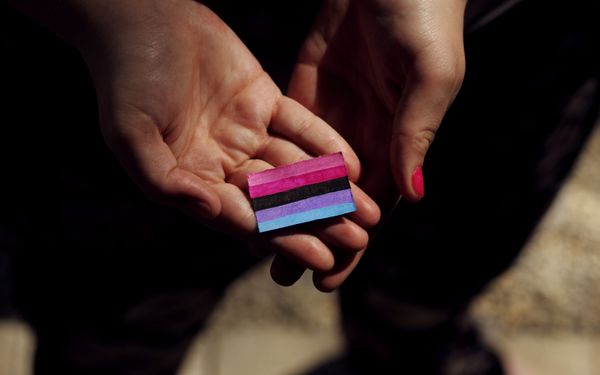
Bi Visibility Day and the Bi Flag: Where They Come From and What They Mean
23 September is Bi Visibility Day. Who started it, what the pink, purple and blue flag stands for, and how you can make bisexual people visible at Pride and in everyday life.

Transgender Day of Remembrance: Where It Comes From and How to Take Part
Every year around 20 November, vigils remember trans people who were killed. The origin of the day, the latest Trans Murder Monitoring figures and practical ways to take part (as of October 2026).