
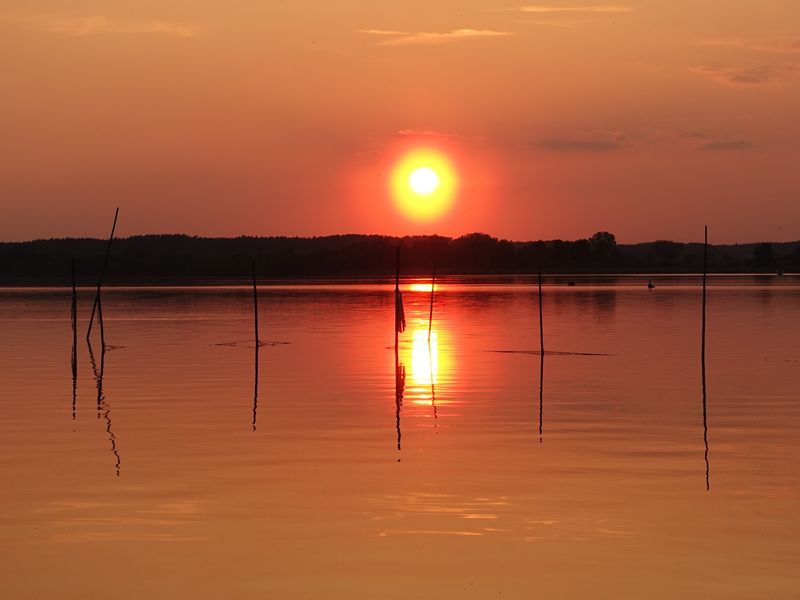
2027 date
The date has not been confirmed yet. Expected August 2027
You will find the date here as soon as it is confirmed. Already know it? Let us know.
Neustrelitz Pride 2026
Neustrelitz Pride programme
Hotels around Neustrelitz
Tap the map for prices and availability.
About Neustrelitz Pride
Neustrelitz Pride is often called one of the smallest Christopher Street Day events in Germany – a label the local press gave it at its first edition, and one that has stuck ever since. Queer-Strelitz e.V., an association for queer people and their friends based in Neustrelitz, organises it.
The format has barely changed over the years. The march gathers at the main train station and moves through the town centre to the market square, where a rally with speeches follows. The programme then shifts to the Schlossberg hill, home to an open-air "democracy festival" with music, stalls, and conversation. A party at the Kunsthaus Neustrelitz art centre, run by a local collective on a donation basis, usually closes out the day.
What sets it apart is that the pride event doesn't stand alone. It sits inside weeks of queer cultural programming: workshops on making banners, a shared beach volleyball session, and a film evening followed by an audience discussion that often includes historical context on the persecution of queer people. The whole series runs under one simple motto: live diversity, be visible together.
For a small town in Mecklenburg-Western Pomerania, that's an unusually packed programme, carried by a single association and a modest circle of volunteers. Turnout sits in the low-to-mid hundreds – far below the country's big parades, but with a reach the organisers say extends well past the town's borders.
Anyone wanting to join can register groups or floats for the march through the association's website. Queer-Strelitz e.V. also publishes exact timings, contacts, and current programme details there ahead of the event.
About Neustrelitz
Neustrelitz, a picturesque residence town in Mecklenburg-Vorpommern, Germany, hosts a vibrant yet intimate Pride movement that punches above its weight. Known as one of Germany's smallest Pride parades, it draws hundreds from the local area and beyond, starting at the train station and winding up to the scenic Schlossberg for colorful festivities. Participants wave rainbow flags, don creative outfits, and pulse to upbeat music, celebrating diversity in a welcoming atmosphere.
The local LGBTQ+ community has a rich history of resilience and grassroots activism. Dedicated groups like Queer Strelitz e.V. alternate hosting Pride events with nearby cities, organizing not just the main parade but also ongoing meetups, counseling sessions, and youth programs. These efforts build strong networks, promote visibility, and foster dialogue in a region where queer voices have had to carve out space amid traditional surroundings.
For English-speaking visitors, Neustrelitz offers a unique glimpse into rural German Pride culture. Unlike massive urban events, this one emphasizes community bonds and personal stories. Themes of respect, inclusion, and anti-discrimination resonate strongly, echoing Germany's commitment to LGBTQ+ rights while highlighting local challenges like occasional opposition from fringe groups. Allies from all walks of life are encouraged to join, making it a inclusive space for connection and solidarity.
The parade blends joy with advocacy, featuring speeches, performances, and parties that spotlight queer joy. It's a testament to how small towns can nurture thriving scenes, attracting even travelers from larger cities like Berlin. Neustrelitz's Pride stands as an inspiring example of perseverance, inviting everyone to stand together for a more tolerant society.
Neustrelitz Pride – frequently asked questions
Line-up at Neustrelitz main station, from there demonstration march through the city center to the market square with rally, followed by a democracy festival on the Schlossberg.


Nearby Prides

Berlin Reinickendorf Pride 2026

Berlin Pride 2026
Hamburg Pride 2026
Brunswick Pride 2026
From the magazine
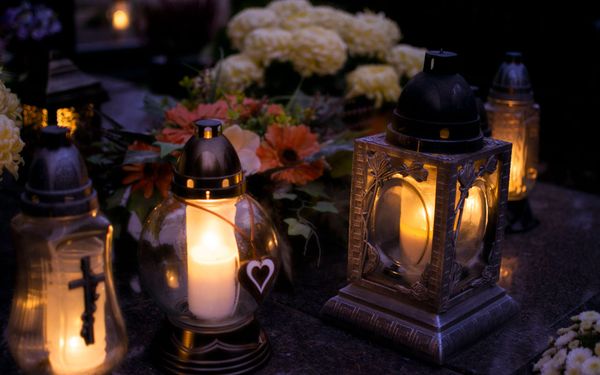
Transgender Day of Remembrance: Where It Comes From and How to Take Part
Every year around 20 November, vigils remember trans people who were killed. The origin of the day, the latest Trans Murder Monitoring figures and practical ways to take part (as of October 2026).

Going to Pride Alone: Plan Your First Visit at Your Own Pace
Going to Pride alone is common, and it can give you room to decide what feels right. A simple plan for arrival, breaks and your journey home helps you stay open to the day.
Volunteering at Pride: What happens behind the scenes
Pride events rely on people at information points, around the venue and behind the scenes. This guide helps you choose a role and arrive with realistic expectations.