
Highlights of Walsrode Pride
Walsrode Pride 2026
Walsrode Pride programme
Start at the train station, followed by stage program and information booths.
Hotels around Walsrode
Tap the map for prices and availability.
About Walsrode PrideRecap 2026
Queer Heidekreis is the group behind Walsrode's Pride march, a young event in this small town in the Lüneburg Heath region of Lower Saxony. The initiative's own motto captures its mission well: queer life isn't seasonal, it's a year-round presence, even in rural areas where LGBTQ+ visibility is still rare.
Beyond the march itself, Queer Heidekreis keeps a packed calendar. Community walks held at different points throughout the year bring people together in towns across the Heidekreis district, not just in Walsrode. The march day itself combines a parade through town with a stage program and speeches, drawing support from local politics as well as from Plus Nord, a regional support association for people living with HIV/AIDS that has backed the event repeatedly.
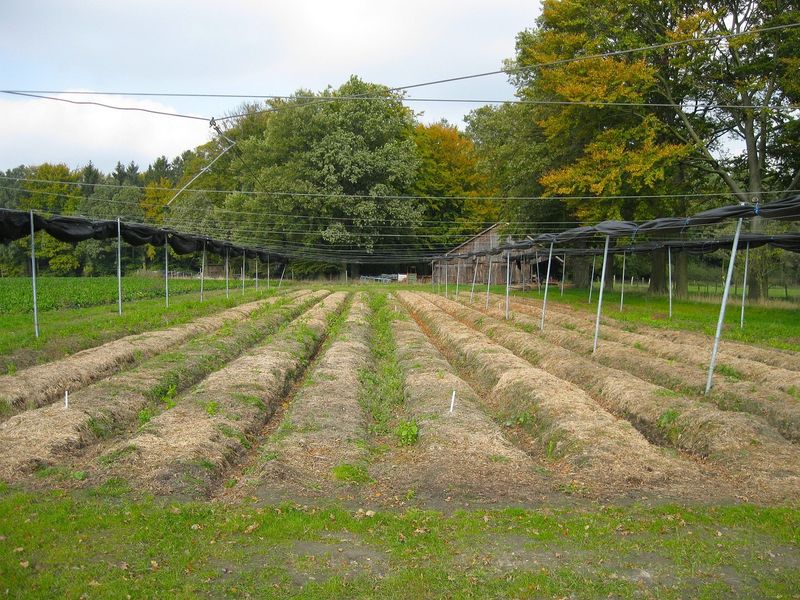
What makes the Walsrode march distinct is its rural setting. This is farming country, not a big city, and the organizers are explicit about wanting to reach people who might never travel to a Pride event in a larger city. That focus shows in how the group operates: building relationships with the town hall, showing up for community walks outside of the main event, and treating queer visibility as an everyday matter rather than a once-a-year appearance.
The march has grown since it started, drawing support from across the district each year. What stays constant is the setting: a small-town crowd gathering in a part of Germany where that kind of visibility still isn't something to take for granted.
About Walsrode
In Walsrode, a picturesque small town nestled in the Heidekreis region of Lower Saxony, Germany, the Pride movement thrives as a vibrant emblem of tolerance and acceptance. Pride events fill the city center with colorful parades, flags, and enthusiastic crowds, where LGBTQ+ individuals and allies march for visibility and rights. Organized by dedicated groups like Queer Heidekreis, these gatherings emphasize the importance of speaking out boldly. Hundreds of participants transform the streets into a celebration of diversity, blending protest with joyous festivity.
The local LGBTQ+ community's history in Walsrode is marked by trailblazers who brought courage to a rural setting. Pioneers such as drag performer Miss Ginger, also known as Thorsten Lampe, sparked initiatives that evolved from personal visions into community-wide efforts. What began as a single activist's dream has grown to include Pride parades alongside walking tours, game nights, and performances at local town festivals. These activities extend to nearby areas like Schwarmstedt, fostering connection and solidarity in everyday spaces.
For an English-speaking audience, Walsrode's Pride scene highlights Germany's unique blend of global queer heritage—from the Stonewall uprising—with heartfelt, community-driven events. In this rural context, Pride stands out for its focus on grassroots acceptance amid traditional surroundings. Events feature info booths, artistic displays, and calls for volunteers or donations, inviting broad participation. This approach makes Walsrode a compelling example of how queer culture flourishes beyond urban hubs, promoting change through inclusivity and local flavor.
Walsrode's Pride movement proves that rainbow energy shines brightest in unexpected places. It inspires with its resilience, building bridges in society and offering travelers a genuine taste of queer life in Germany's countryside.
Walsrode Pride – frequently asked questions
From the train station through Walsrode


Nearby Prides

Hanover Pride 2027
Bremen Pride 2027
Hamburg Pride 2027
Brunswick Pride 2027
From the magazine
Toronto 1981: The Bathhouse Raids and the Protests Behind Toronto Pride
On 5 February 1981 Toronto police raided four gay bathhouses and arrested close to 300 men. What happened, how the sources count it, and how the protests connect to Toronto Pride.
Reading the ILGA-Europe Rainbow Map: What the Ranking Measures and What It Does Not
Every May ILGA-Europe colours in Europe. How the Rainbow Map is built, what the 2026 edition shows and why it is not a travel guide.
Section 28: Britain's Law Against "Promoting Homosexuality" (1988 to 2003)
Section 28 barred British local authorities from "promoting" homosexuality. What the law said, how it shaped schools, how people protested it and when it was repealed.