
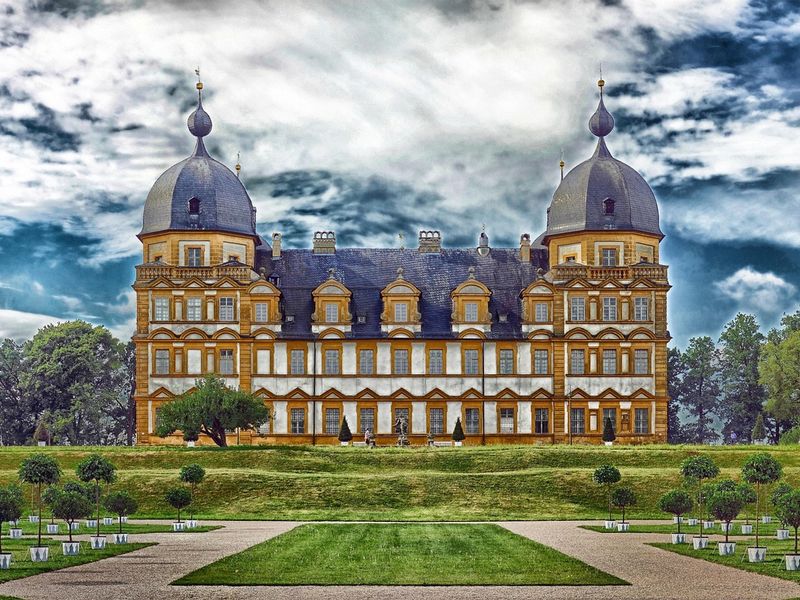
2027 date
The date has not been confirmed yet. Expected July 2027
You will find the date here as soon as it is confirmed. Already know it? Let us know.
Hotels around Bamberg
Tap the map for prices and availability.
About Bamberg
Bamberg's Pride movement thrives as a vibrant blend of history, activism, and community spirit in this charming German UNESCO World Heritage city. Pride parades draw locals and visitors alike, marching through the historic streets to celebrate diversity and advocate for LGBTQ+ rights. Organized by groups like the local queer university community and dedicated associations, these events typically kick off near the train station, culminating in lively programs at Maxplatz with speeches, performances, and artistic expressions that highlight resilience and joy.
The local LGBTQ+ history is rich and multifaceted, woven into Bamberg's fabric from medieval times through the Weimar era's artistic flourishing, the shadows of National Socialism, and the AIDS crisis. Hidden stories of everyday queer lives, solidarity, and defiance come alive through guided tours like 'Queer through Bamberg,' starting at the Neptune Fountain. These walks reveal how queer individuals navigated challenges, formed support networks, and celebrated their identities in private gatherings and public assertions over generations.
For English-speaking audiences, Bamberg's Pride stands out for its welcoming, inclusive vibe amid Bavaria's conservative backdrop. Events often feature international collaborations, such as creative workshops with organizations like Amnesty International, where participants craft sustainable art from upcycled materials. The parades emphasize not just celebration but also cleanup efforts, showcasing community responsibility. This fusion of political demonstration and festive camaraderie makes it accessible and appealing to travelers seeking authentic queer experiences.
Pride in Bamberg fosters education and unity, integrating queer narratives into the city's cultural landscape. Visitors can join marches, explore historical sites, or support ongoing initiatives. It's a testament to how small cities can host powerful, timeless movements that inspire global solidarity and progress.
Bamberg Pride – frequently asked questions


Nearby Prides
Nuremberg Pride 2026
Frankfurt am Main Pride 2026
Stuttgart Pride 2026
Leipzig Pride 2026
From the magazine
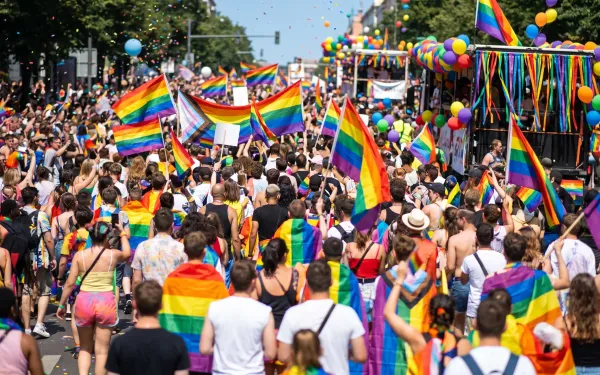
Germany's First Pride (1979): From a Nervous March to a National Tradition
On June 30, 1979, about 450 people marched in Berlin for the first time on the anniversary of Stonewall. A look back at the start of Germany's Pride tradition, the fight against Paragraph 175 and the road to a mass demonstration.
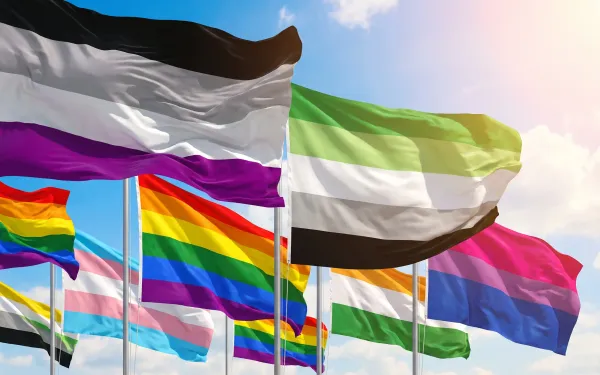
Asexual and Aromantic: What the A in LGBTQIA+ Actually Means
The A in LGBTQIA+ stands for asexual, aromantic and agender, not ally. What these orientations mean, where they differ, and why their visibility at Pride matters.

Pride Anthems: How These Songs Became the Soundtrack of Pride
"I Will Survive," "I'm Coming Out," "Born This Way" turn up at nearly every Pride event. The stories behind how these songs became anthems say a lot about the community that adopted them.