
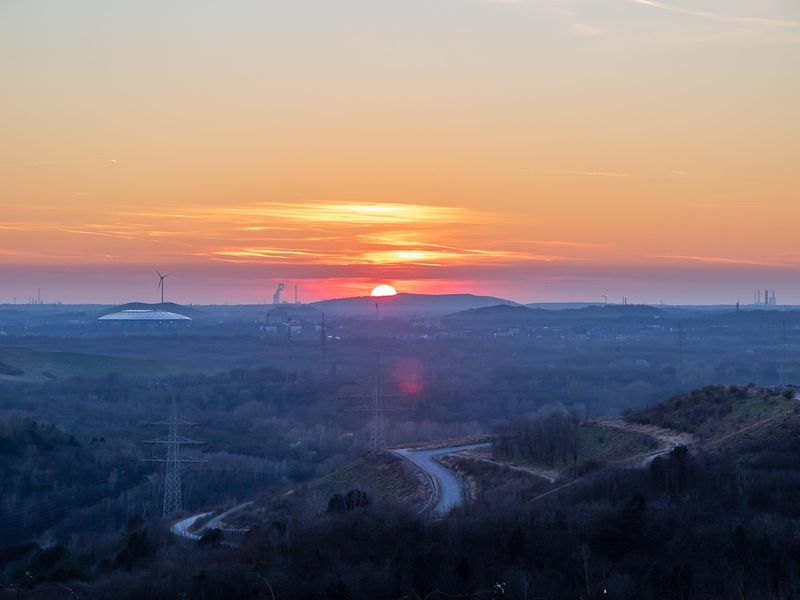
Hotels around Recklinghausen
Tap the map for prices and availability.
About Recklinghausen
Recklinghausen, a vibrant city in Germany's Ruhr region, hosts dynamic Pride events that celebrate the LGBTQ+ community's resilience and joy. The annual Pride parade kicks off at the bus station on Europaplatz, winding through the historic city walls to the Rathausplatz, where stages come alive with performers, DJs, drag artists, and poets. These gatherings blend festive energy with activism, drawing crowds to rally for equality, democracy, and against discrimination, culminating in lively after-parties at venues like the Altstadtschmiede.
The local LGBTQ+ history reflects the city's industrial roots, where queer individuals forged connections in hidden spaces like private homes and discreet bars. Over time, these efforts evolved into organized events led by groups like the Christopher Street Day association, fostering a sense of belonging. A standout feature is the 'We Are Part of Culture' exhibition, showcasing queer icons from European history through stunning art by renowned creators, highlighting contributions to science, politics, and arts from ancient times to modern eras.
For English-speaking visitors, Recklinghausen's Pride stands out for its community-driven spirit amid Germany's progressive landscape. Parades emphasize political messages rooted in global queer liberation, while inclusive elements like church participation underscore broad support. The events promote visibility across professions – from laborers to professionals – echoing broader calls for acceptance. Street festivals feature diverse lineups, making it a welcoming hub for international travelers seeking authentic experiences. Recklinghausen embodies how Pride unites locals and allies in a timeless pursuit of rights and celebration.
Recklinghausen Pride – frequently asked questions
Nearby Prides
Essen Pride 2027
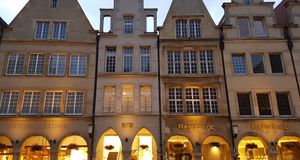
Münster Pride 2027
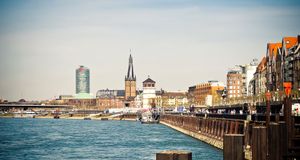
Dusseldorf Pride 2027
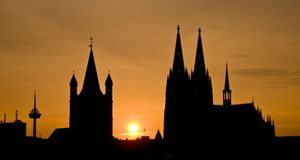
Cologne Pride 2027 / ColognePride 2027
From the magazine
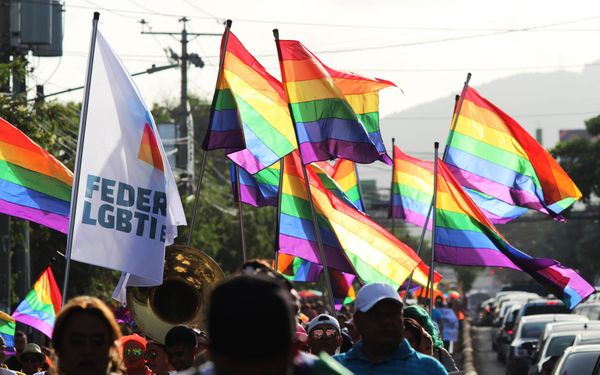
Gilbert Baker and the First Rainbow Flag: Eight Stripes, 1978
How a request from Harvey Milk became the rainbow flag, why it began with eight stripes, and what survives of the two originals.
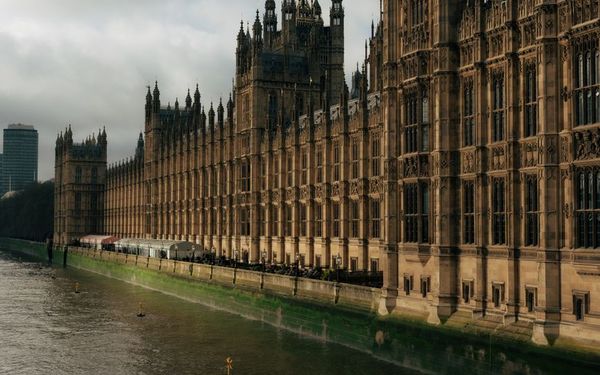
The Wolfenden Report 1957: Why Britain Needed Ten Years to Decriminalise Gay Sex
In 1957 a committee recommended ending criminal penalties for private sex between consenting adult men. The Sexual Offences Act followed only in 1967 and covered just England and Wales.
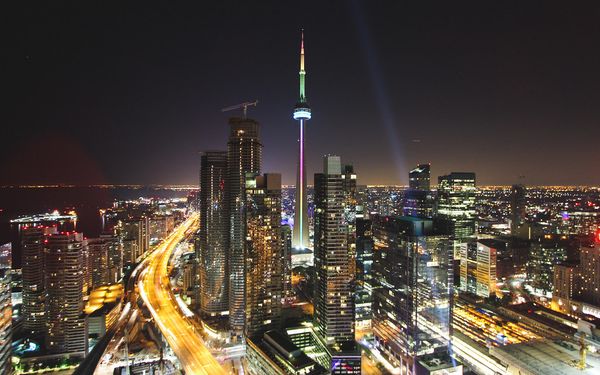
Toronto 1981: The Bathhouse Raids and the Protests Behind Toronto Pride
On 5 February 1981 Toronto police raided four gay bathhouses and arrested close to 300 men. What happened, how the sources count it, and how the protests connect to Toronto Pride.