
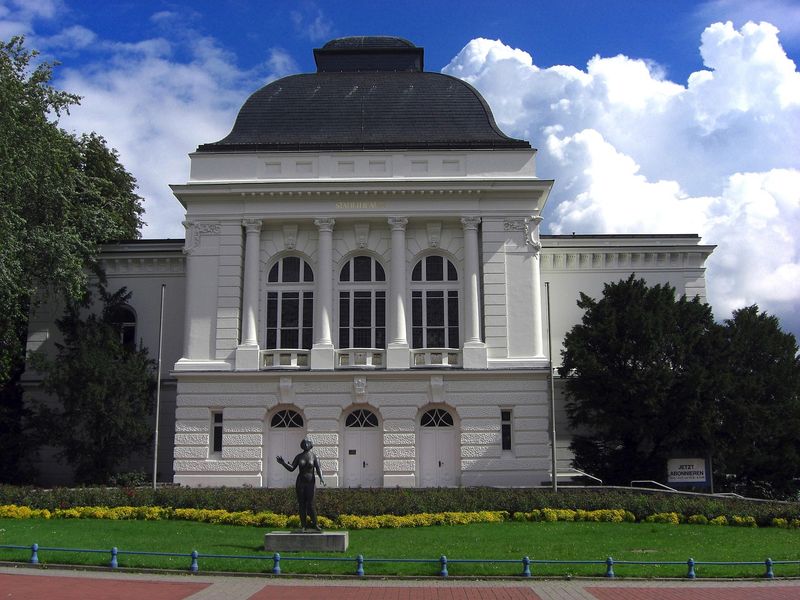
Hotels around Rendsburg
Tap the map for prices and availability.
About Rendsburg Pride
Rendsburg lies on the Kiel Canal in the northern German state of Schleswig-Holstein, a region better known for windswept coastlines than for a visible queer scene. Its Pride march sets out to change that, at least for one day a year, by putting local LGBTQIA+ life on the map.
The event is organised by the Rendsburger Regenbogengruppe, a local rainbow group that works year-round on visibility and support for queer people in and around the town, with backing from regional social-policy funding. Their Pride day combines a demonstration through the town centre with an afternoon of information stalls run by regional advocacy groups, counselling services and allies, plus a stage programme of talks and music.
Unlike the parades in Germany's larger cities, Rendsburg's Pride keeps a small-town, grassroots character: fewer floats, more direct conversation, and a strong sense that the people marching know each other. That closeness is part of the point. In towns of this size, queer people can otherwise go a long time without seeing themselves represented in public space, and a single afternoon of colour and noise on the market square carries weight well beyond the day itself.
The march also doubles as a political statement aimed at both the town and the wider region: a call for equal rights and protection from discrimination that resonates in rural Schleswig-Holstein as much as it does in Hamburg or Berlin. Visitors from surrounding towns are a regular part of the crowd, making Rendsburg's Pride a rallying point for a wider, sparsely populated area rather than a purely local affair.
About Rendsburg
Rendsburg, a picturesque town in Schleswig-Holstein, Germany, hosts vibrant Pride events that celebrate the LGBTQ+ community with inclusivity and joy. Local Pride gatherings on the Stadtseegelände feature parades, live music, speeches, and family-friendly activities, drawing residents together to champion equality and visibility. These events foster a sense of belonging in a region known for its maritime charm and tight-knit neighborhoods.
The history of Rendsburg's queer scene reflects quiet resilience amid a traditionally conservative backdrop. Early efforts by local activists laid the groundwork for public demonstrations, evolving from small meetups to larger celebrations. Churches, such as the Christkirche, join in with themed services emphasizing love and acceptance, bridging faith communities with Pride values and highlighting interfaith solidarity.
For English-speaking visitors, Rendsburg's Pride stands out for its approachable, community-driven vibe. Unlike massive urban festivals, it offers an intimate experience with regional flavors – think North German folk tunes, local crafts, and nods to the nearby Kiel Fjord. The movement tackles universal issues like anti-discrimination laws and workplace rights, while celebrating Germany's progressive strides in LGBTQ+ equality. Participants often share stories of personal journeys, making it relatable for internationals exploring queer Europe.
Rooted in the global fight for rights sparked by historic uprisings, Rendsburg's Pride adapts to local needs, promoting education and allyship. Stalls offer resources on mental health and youth support, while the parade encourages broad participation. This timeless spirit invites travelers to witness authentic change, where small-town warmth amplifies messages of love and diversity, proving that Pride thrives everywhere.
Rendsburg Pride – frequently asked questions
Nearby Prides
Kiel Pride 2026
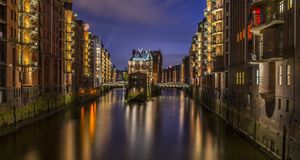
Hamburg Pride 2026
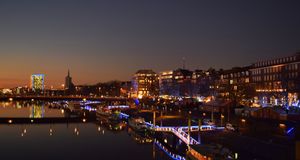
Bremen Pride 2026
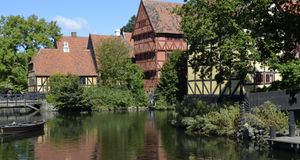
Aarhus Pride 2026
From the magazine

Bringing a sign to Pride: Make your point without shutting others out
A Pride sign can make a demand visible without blocking other people out. Practical choices about wording, size, photography and shared space make it work better.
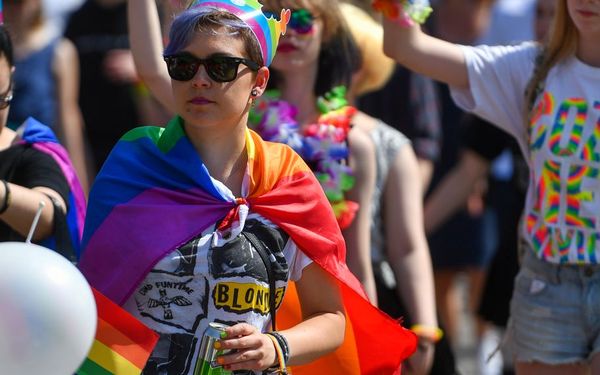
Queer and Seeking Refuge: Why Pride Is a Place of Arrival
For people who fled persecution because of who they are, Pride can be the first place where living openly feels safe. This guide covers the background, the support landscape and what organizers and fellow marchers can do to make the welcome real.
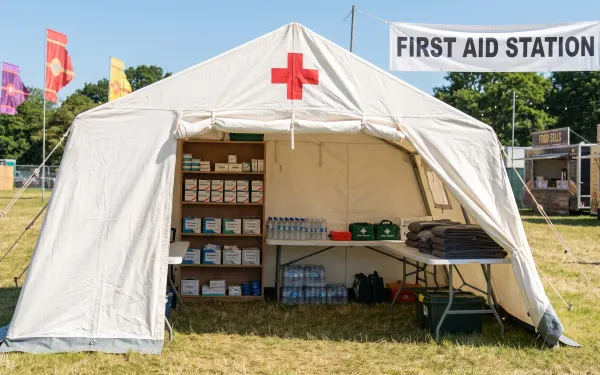
First Aid at Pride: How to Prepare Before You Go
Pride is a long, hot, crowded day. Most incidents stay minor — if organizers provide proper medical cover and attendees know when to ask for help. A practical guide to preparation, heat illness and dense crowds.