
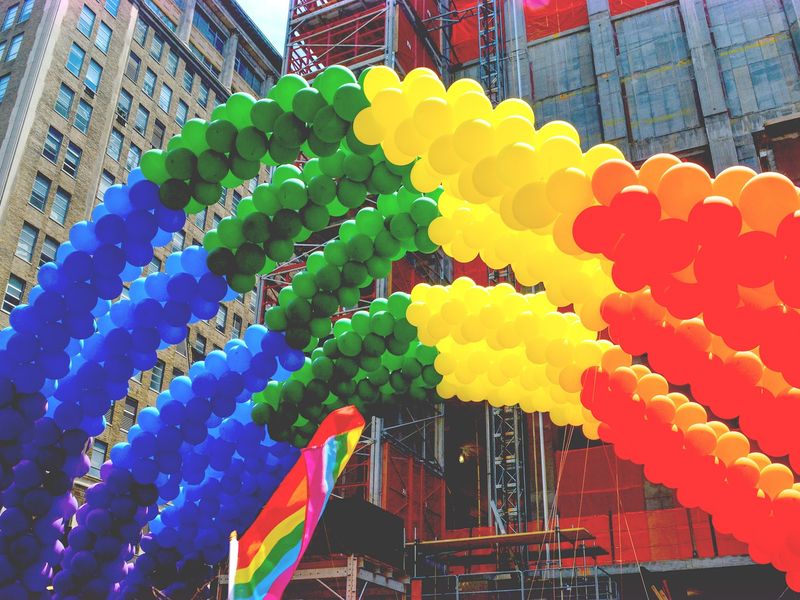
2027 date
The date has not been confirmed yet. Expected August 2027
You will find the date here as soon as it is confirmed. Already know it? Let us know.
Hotels around Rotenburg Wümme
Tap the map for prices and availability.
About Rotenburg (Wuemme) Pride
Pride in Rotenburg (Wümme) gathers the queer community of this rural district in Lower Saxony. Unlike the large-scale pride parades held in metropolises such as Berlin or Cologne, it is a small-town, family-oriented event that grew out of a volunteer organizing group and is supported by local associations and civil-society initiatives.
At its heart is a march through the town center that concludes with a closing rally. Speeches, music and a colorful procession of rainbow flags send a visible signal against discrimination and for the rights of lesbian, gay, bisexual, trans*, inter* and queer people in a rural setting. In a region where queer life is less publicly visible than in big cities, that signal carries particular weight.
The event is carried by an all-volunteer organizing team that forms through open planning meetings and invites anyone interested to help shape the program. Support comes from local political party branches and nationwide initiatives such as Omas gegen Rechts (Grandmothers Against the Right), who regularly join with their own groups. Despite its comparatively short history, Pride in Rotenburg (Wümme) has become a fixture on the calendar of northern Germany's Pride season, nestled between the Prides of neighboring towns such as Bremen, Verden and Walsrode.
Visitors can expect a modest, approachable event that favors encounter and visibility over mass spectacle - a meeting point for queer people and allies from across the district and beyond.
About Rotenburg (Wuemme)
In Rotenburg Wümme, a quaint town in Lower Saxony, Germany, the Pride movement thrives as a beacon of diversity and acceptance. Local Pride events bring hundreds together in celebration of LGBTQ+ rights and visibility, creating a welcoming space distinct from the massive gatherings in cities like Berlin or Cologne. These parades highlight the community's resilience and commitment to inclusivity in a rural setting.
The LGBTQ+ scene in Rotenburg has grown from grassroots efforts by activists, local politicians, and alliances that champion equality. Pride parades feature vibrant marches through town streets, rainbow flags waving under sunny skies, drawing participants from surrounding areas. Unique to German Pride is its blend of political activism—fighting discrimination and advocating for rights—with festive elements like live music, drag performances, and vendor stalls offering queer merchandise and info. Groups like grandmothers against right-wing extremism add intergenerational flair, emphasizing solidarity across ages.
The local history reflects quiet determination. For years, queer life operated discreetly, but bold initiatives have brought it into the open. Pride serves as a vital platform for sharing stories, building connections, and addressing regional challenges. Support from the mayor and city hall, including rainbow flags on public buildings, fosters belonging and positions Rotenburg as a model for smaller towns. These events underscore Germany's progressive stance on LGBTQ+ issues while adapting to local contexts.
Complementing the main Pride parade are ongoing meetups and smaller gatherings that sustain the momentum. Visitors find a relaxed vibe here—authentic, heartfelt celebrations away from urban intensity. The community invites everyone to join, explore queer culture, and embrace the spectrum of human experience in this friendly corner of Germany.
Rotenburg (Wuemme) Pride – frequently asked questions

Nearby Prides
Bremen Pride 2026
Hamburg Pride 2026

Hanover Pride 2026
Dortmund Pride 2026
From the magazine

First Aid at Pride: How to Prepare Before You Go
Pride is a long, hot, crowded day. Most incidents stay minor — if organizers provide proper medical cover and attendees know when to ask for help. A practical guide to preparation, heat illness and dense crowds.
Christopher Street Liberation Day 1970: The March That Started Pride
One year after Stonewall, on June 28, 1970, a few thousand people walked up Sixth Avenue in New York behind a banner reading CHRISTOPHER STREET GAY LIBERATION DAY 1970. Here is how that first march became Pride.
Germany's First Pride (1979): From a Nervous March to a National Tradition
On June 30, 1979, about 450 people marched in Berlin for the first time on the anniversary of Stonewall. A look back at the start of Germany's Pride tradition, the fight against Paragraph 175 and the road to a mass demonstration.